Italy’s Three Musketeers and Their Island Wine
Friends and Masters of Wine come together to preserve vineyards and create vino in an oft-forgotten area of Sicily
Wine is never really just about wine. That’s especially true in Italy where history, tradition, conservation, family, politics, passions, economics, egos, personalities and more may collide in a bottle of vino.
The most inspiring story I’ve encountered lately is set on the windy shores of Marsala, on the northwest coast of Sicily, where a trio of friends—Italy’s first and only Masters of Wine—are collaborating on a wine to help revive a corner of a once-great appellation.
For background: Marsala began as a prized, Sherry-like, solera-aged, fortified wine created by British merchants in the late 18th century; it went into decline after World War II.
In recent years, the challenge of new generations has been to use mainly Grillo—an exuberant, semi-aromatic cross of Cataratto and Muscat of Alexandria that has historically been destined for use in Marsala—to make dry whites.
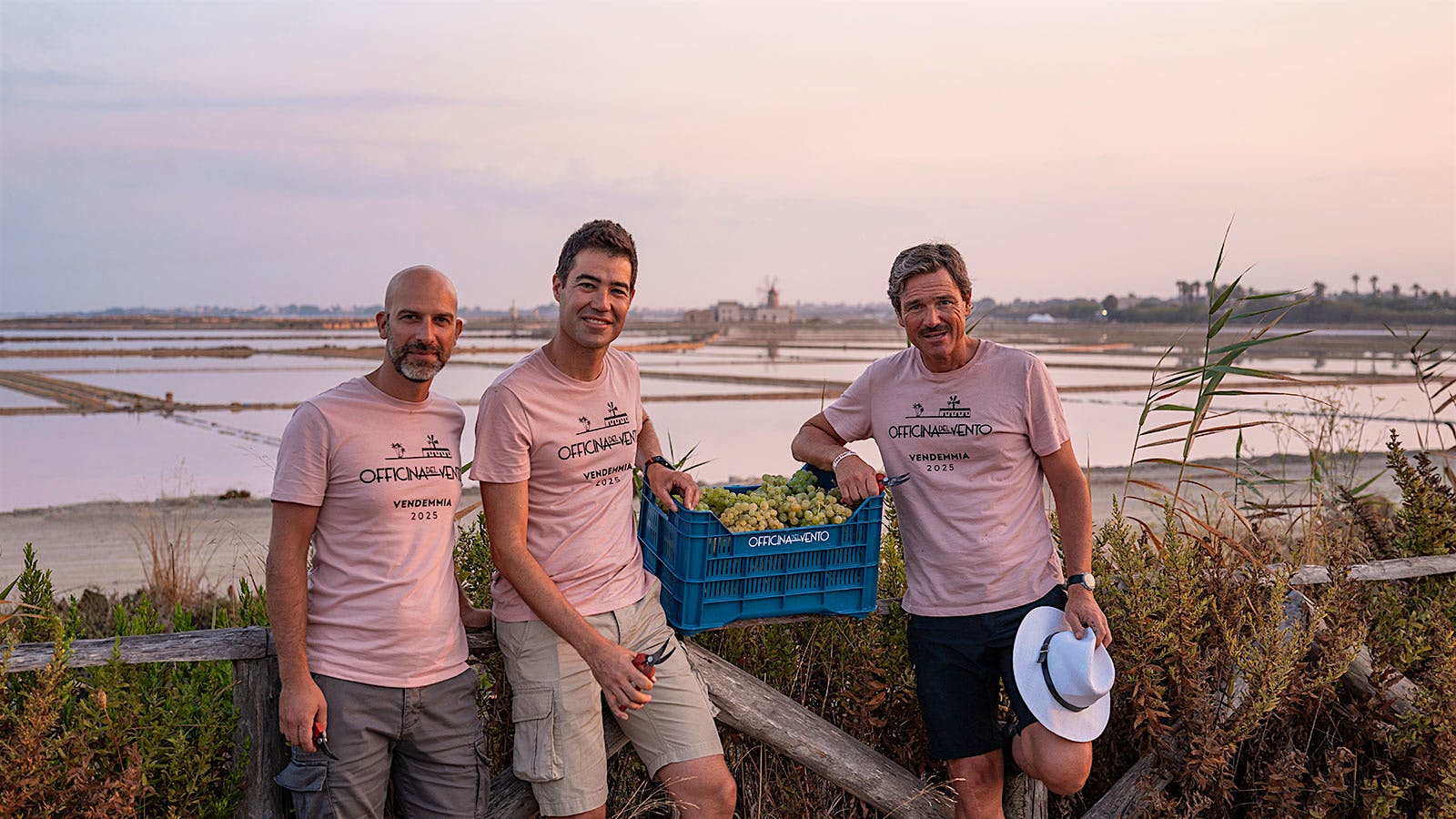
Enter “the three musketeers,” nickname of Italy’s three MWs: Gabriele Gorelli, 41, a Montalcino wine marketer; Andrea Lonardi, 51, agronomist and winemaker who recently became COO of Marilisa Allegrini’s new company, and Pietro Russo, 40, a winemaker and consultant whose client list includes Marsala’s historic Cantine Pellegrino.
Challenge brought them together. After meeting at an MW orientation in northern Italy, they hit it off and decided to gather for bootcamp-like study sessions for one of wine’s most difficult qualifications. The MW requires years of preparation and the exam has notoriously low passing rates.
In the winter of 2015–16, the men met near Russo’s home in sunny Marsala. Quickly, Russo says, “We understood each other’s strengths and weaknesses, and that helped our studying together.”
After they failed the exam in London that first year, Russo recalls, “I was ready to quit, but Gabriele and Andrea called me and convinced me not to.”
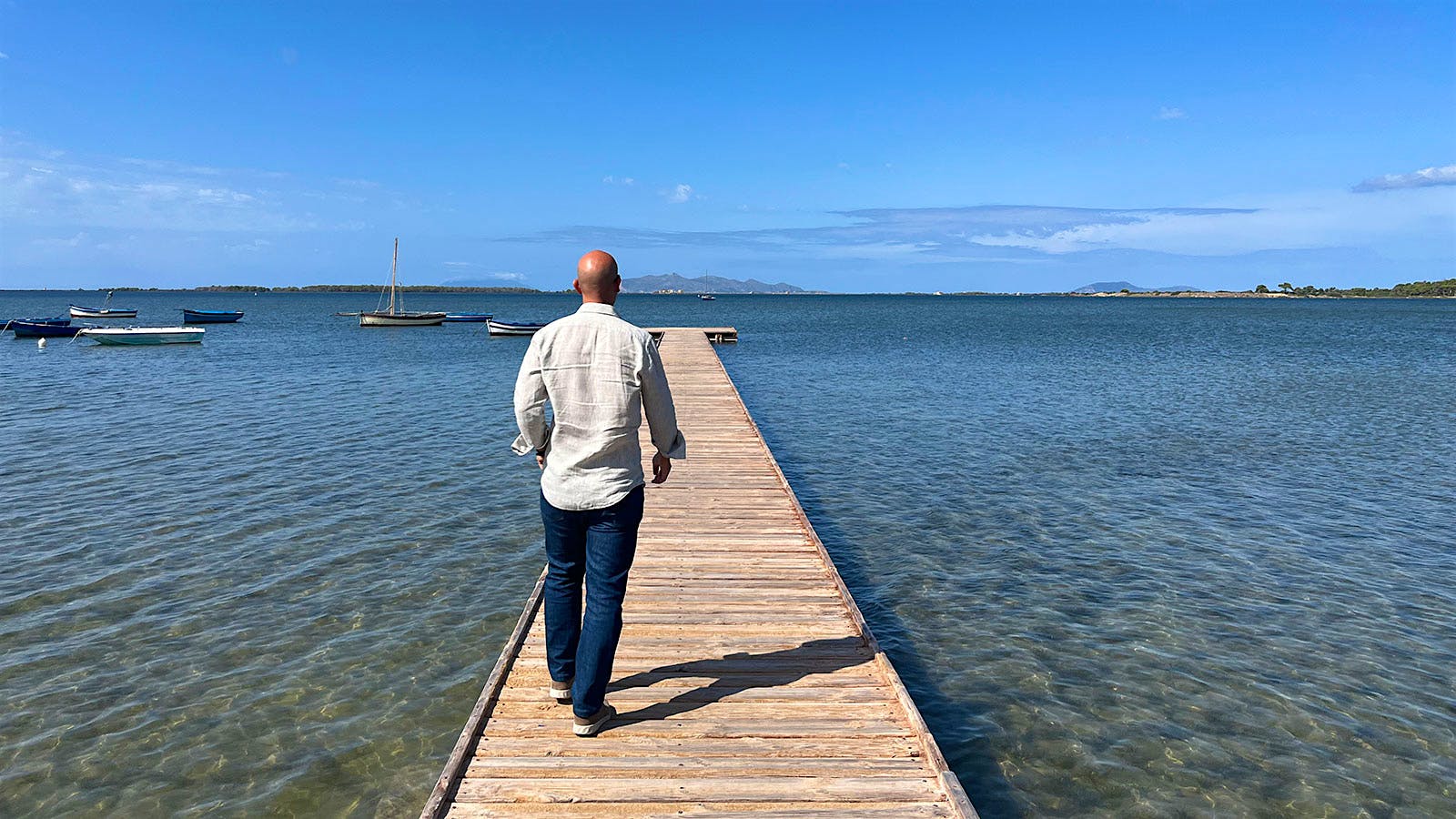
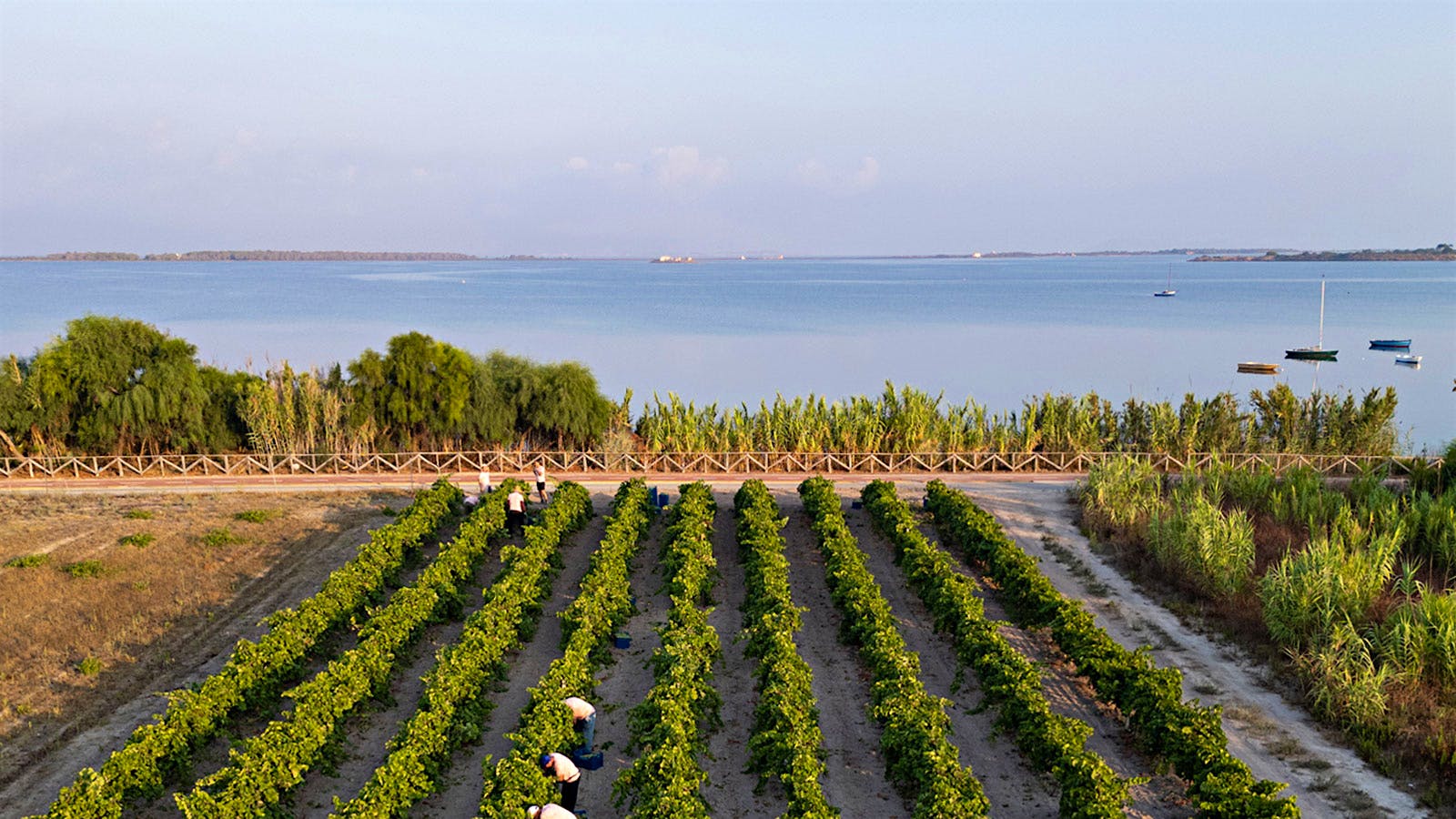
It took years for all three to pass. In that time, Gorelli and Lonardi learned about Russo’s home terroir on the breezy coast of the Lo Stagnone Nature Reserve. Here, vineyards end just steps away from the shallow, crystalline waters of a lagoon created by a series of offshore islands. On their morning runs, they took in compelling scenery: long wooden piers, small boats and the area’s famous salt flats dotted with old wooden windmills.
In 2021, Gorelli became Italy’s first MW, followed by Lonardi in 2023 and Russo in 2024. But even before they had all passed, they cemented their relationship with a small wine project.
In early 2022, Russo snapped a photo of a 40-year-old, half-acre vineyard on the seafront that was for sale. Like many old seafront vineyards, it was planted with older Grillo clones distinguished by their loose bunches, subdued citrus aromas and flavors of Mediterranean herbs. “I sent them a photo without suggesting anything,” Russo recalls. “They both said, “Let’s buy it!”
By the end of that year, the vineyard was theirs. They rented another five small vineyards to bring their total domaine to 2.5 acres. In 2023, they completed their first harvest and produced more than 300 cases of Officina del Vento Sicilia (Workshop of the Wind), which were released last spring.
The second vintage of Officina del Vento, 2024, will be available in the United States starting in February 2026, through Miami-based importer Ethica Wines.
“It all happened naturally,” Russo says. “We found an excuse to continue working together even after the Master of Wine.”
On a blue-sky fall day, Russo leads me through the Stagnone vineyards, where the soils are mix of marine clays, sand and pebbles. He explains that the Stagnone coast’s 1,700 acres of vineyards never need irrigation—even during blistering Sicilian droughts—because of underground springs that flow from the hills above.
Though the lack of hydric stress helps make naturally balanced white wines, the vineyards are under other pressures—namely economic. Grape prices are down, yet land prices have risen as developers have sought sites to construct snack kiosks and other tourist facilities in the nature reserve.
“The families who kept their vines did it for love and tradition,” says Russo, who worries that every new generation has less “love” for the vines. “Our project isn’t about business; it’s about protecting these old vines and showing another way,” he adds. “It’s a message that the young generation can stay here and continue to cultivate this land.”
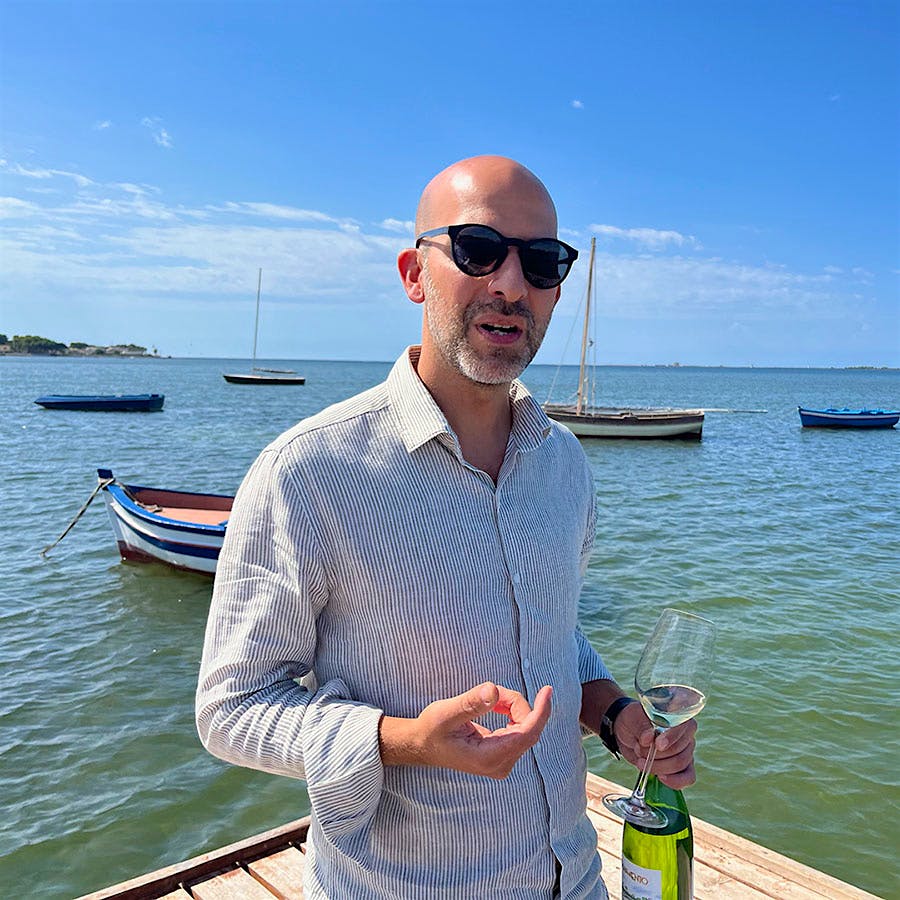
Toward morning’s end, Russo and I walk out to the end of a low, narrow pier about 50 yards long. “This is where we taste the wines,” he says, then adds apologetically that he has a chilled bottle of Officina 2023 in the trunk of the car, but “I forgot the corkscrew.”
That shouldn’t stop a Master of Wine, I say.
We walk back to the car, where he finds a pair of pruning shears. Using the smaller blade, he peels away the foil and inserts the tip into the cork—gently twisting it out of the bottle neck.
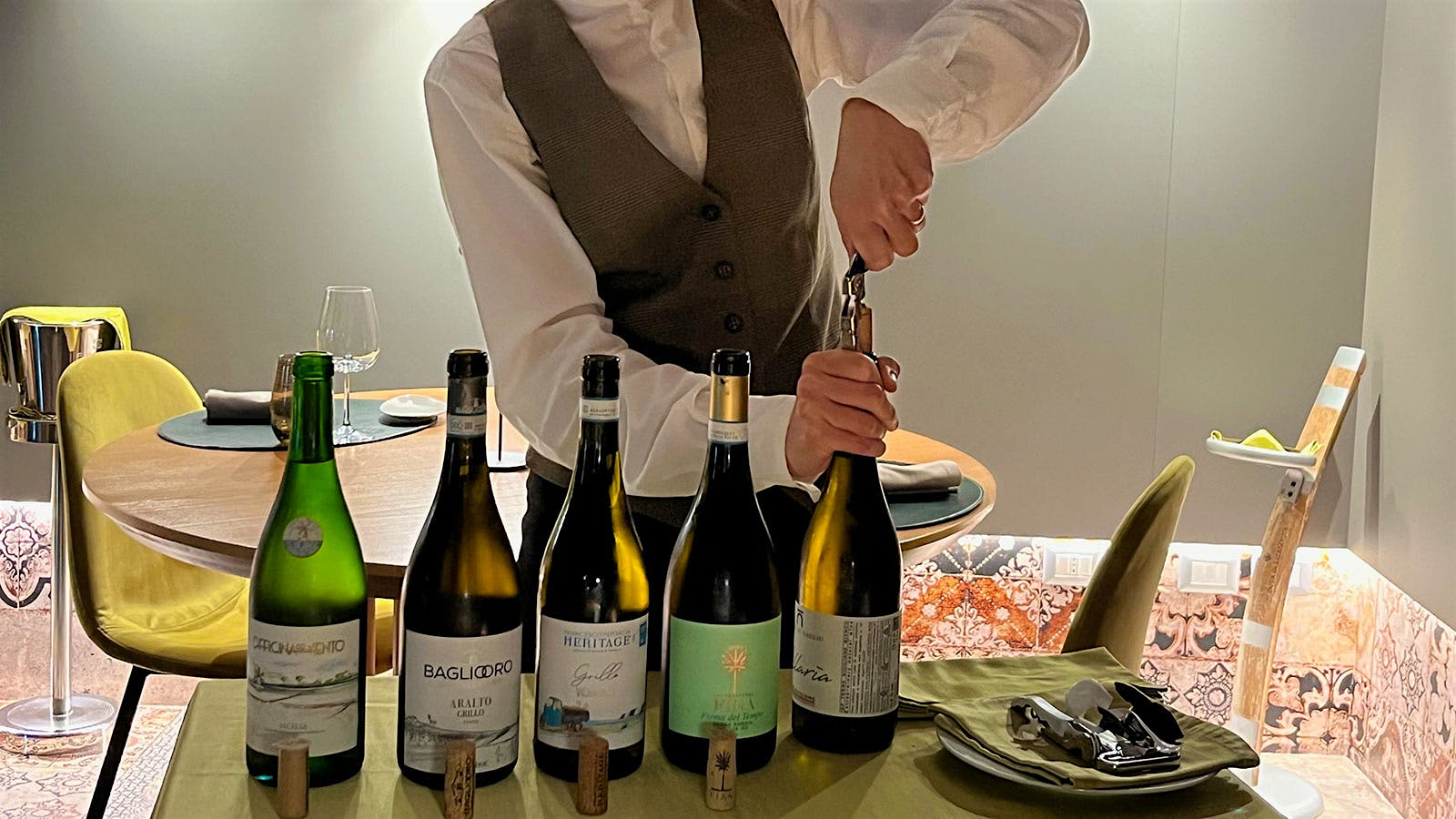
Back on the pier, we sip the wine, which the musketeers kept tight and restrained in style by harvesting twice—once for less-than-fully-ripe grapes to preserve acidity in the wine and then fully ripe ones. “We respect the past,” he says, “but we wanted to create a wine that was drinkable at table and highlights Marsala.”
With the release of their first vintage, the three also launched an association called “Salt West,” recruiting four other producers to create a “Grillo of the Stagnone.” The group charter calls for each winery to make a dry, still white Grillo from sustainably farmed vineyards, with yields capped at lower than average for the area, that is released a year or more after harvest. A tasting panel includes the three musketeers.
Beyond wine, the group invests time in the area with projects like family days to clean up roadside trash. They also want to help the reserve repair damaged piers.
As I said, wine is never really just about wine. Sometimes it’s about a good deal more.
Learn about the history, methods, flavors and aromas of traditional Marsala production at the city’s new John Woodhouse Wine Museum, located in the Palazzo Fici (Via XI Maggio, 32). Closed Monday. www.facebook.com/museovinomarsala
At the same address is Marsala Wine Route’s wine shop, representing more than 50 producers, where you can taste local wines and enjoy aperitivi along with local dishes. For more information: stradavinomarsala.it/enoteca.